The Evolution of the F1 Weekend: From Sprint Shoots to Market Strategy
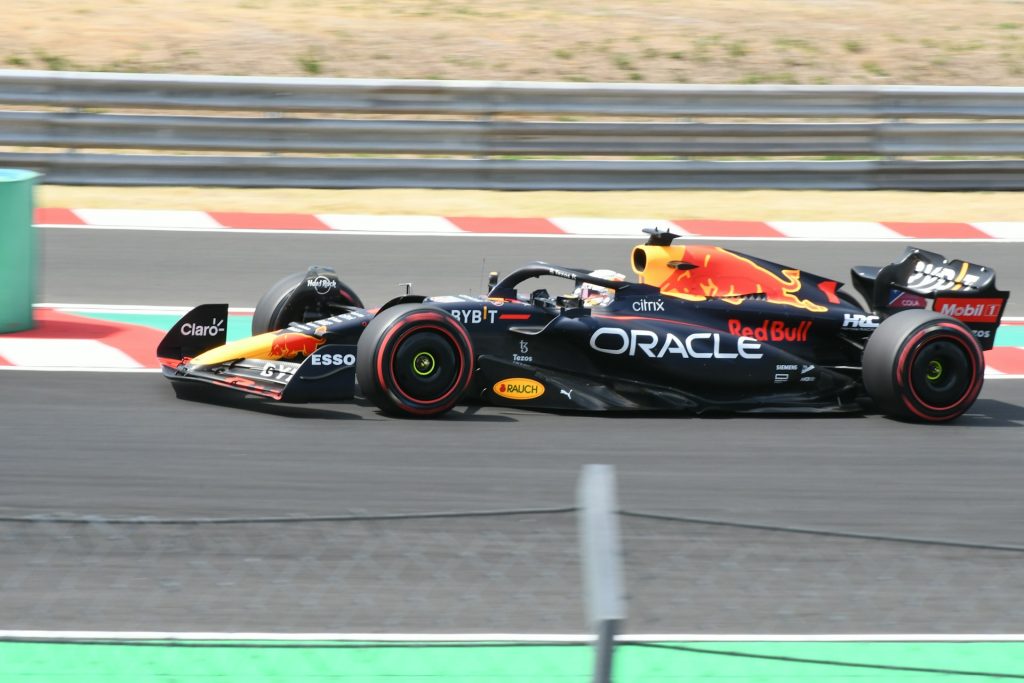
As the FIA Formula 1 World Championship celebrates its 75th anniversary in 2025, the sport is undergoing a significant transformation in how it delivers action to fans. The season is no longer just about the Sunday Grand Prix; the continued integration of the Sprint format and the aggressive entry of new manufacturers like Audi highlight a sport that is maximizing both on-track excitement and commercial leverage.
Understanding the Sprint Format
For the 2025 season, a quarter of the 24 scheduled events will feature the F1 Sprint. This format essentially strips Formula 1 down to its rawest elements: less conversation, more action. The Sprint is a dash of approximately 100km, roughly one-third of a standard Grand Prix distance, lasting about 30 minutes. The design of the race eliminates the need for strategic tire management or mandatory pit stops. While pit stops aren’t technically banned, the short duration of the race makes them strategically ineffective, forcing drivers into a dynamic, flat-out melee from lights out to the checkered flag.
To accommodate this, the traditional weekend schedule has been overhauled. On Sprint weekends, Friday features a Sprint Qualifying session—replacing the second free practice—which sets the grid for the Saturday Sprint. This qualifying session is a condensed version of the standard format, with segments lasting just 12, 10, and 8 minutes. Saturday then hosts the Sprint race itself before the teams switch focus to qualifying for the main Sunday Grand Prix. With points awarded to the top eight finishers, the format guarantees meaningful, high-stakes competition on every day of the event.
A Global Roster
The venues selected for these high-intensity dashes are chosen specifically for their overtaking potential. The 2025 roster sees China and Miami returning for a second consecutive year, alongside Austin and Qatar. Belgium rejoins the lineup after a hiatus since 2023, while Brazil continues its streak of hosting a Sprint every season since the format’s inception in 2021. While not every circuit is suited for this aggressive format due to risks of car damage, the current selection offers a balance that maximizes viewer engagement without compromising team budgets.
Audi’s Aggressive Pre-Entry Strategy
While the sport refines its racing product, incoming manufacturers are wasting no time leveraging the F1 platform for brand positioning. Audi, set to join the grid officially, has already begun capitalizing on its involvement with a marketing campaign that blurs the lines between racing and road utility. In a promotional masterclass dubbed “The Other Monza,” the German automaker took its SQ5 TFSI to the legendary Italian circuit, but not in the way one might expect.
The campaign features the 367-horsepower crossover tackling the sacred asphalt of Monza—navigating the Roggia chicane, Lesmo curves, and the Parabolica—before veering onto the historic, decaying banking of the old Sopraelevata. This stunt serves a dual purpose: it highlights the vehicle’s adaptive air suspension and “quattro ultra” all-wheel drive, capable of handling both track curbing and the rough terrain of the abandoned banking, while simultaneously keeping the Audi brand front and center in the F1 conversation before their race car even debuts.
The Commercial Reality
This marketing push acknowledges a modern truth of motorsport: the “technical transfer” from F1 to road cars is becoming less relevant than the transfer of image and prestige. Audi’s “Other Monza” campaign subtly mocks the idea of direct tech transfer, focusing instead on versatility and performance image.
The strategy appears to be working effectively in key markets. Audi Italy reported a record-breaking performance in 2025, with 68,845 vehicles registered—a 1.52 percent increase over the previous year—securing a 4.51 percent market share. The SQ5 model itself, the star of the Monza stunt, contributed significantly with a 23 percent jump in sales.
As the 2026 season approaches, bringing new models like the Q3 Sportback and an expanded lineup of plug-in hybrids, it is clear that for manufacturers, the race is not just about points on a Saturday Sprint or a Sunday Grand Prix. It is about converting the adrenaline of the track into showroom dominance, a race Audi seems to be winning well before the lights go out for their first official start.